

Natural cosmetics, like any product of natural origin, can spoil or expire if not stored correctly.
Using expired or spoiled cosmetic products can have very negative effects on the skin (depending on its sensitivity) and consequently on the entire body (remember that everything in the body is profoundly and wisely connected). It can cause allergies, irritation, acne... among many other things.
Furthermore, when they are expired or spoiled, they lose their effectiveness: not only are you applying something that can harm you, but it has also lost part of its positive effects.
That is why it is essential to always check the expiration date of a facial or body product and learn how to correctly store your natural cosmetics.
What are natural preservatives?
Natural preservatives are ingredients or substances chosen for their properties to prevent the appearance of microorganisms, such as bacteria, fungi, and yeasts, which can contaminate and spoil the cosmetic product's formulation during storage and subsequent use by the consumer. They help extend the life of the cosmetic and help maintain the properties of the bioactive ingredients for longer.
The natural and organic preservatives most used today in natural cosmetics are organic acids and their salts, such as benzoic acid, sorbic acid, and dehydroacetic acid, which are used in cosmetics to prevent the growth of bacteria, fungi, and yeasts. These ingredients have antimicrobial properties and help prolong the shelf life of cosmetic products while maintaining their quality and safety.
Another of the ingredients most used in certified natural cosmetics is benzyl alcohol, an organic compound found naturally in various sources, such as plants, fruits, and essential oils. It has antimicrobial properties, meaning it can inhibit the growth of bacteria and other microorganisms in cosmetic products, and it is also effective against fungi and yeasts, which is especially beneficial in formulations that may be prone to fermentation or fungal growth.

However, as we have seen in the article on the different types of sustainable packaging, packaging can also function as a natural preservative, as it has been observed that violet glass packaging, for example, not only extends the properties of natural ingredients but can even improve their availability and effectiveness.
Even so, it is also important to learn how to properly store any natural and organic cosmetic product.
How to store natural cosmetics?
It is important to understand that where we store our facial creams and serums can greatly influence the proper preservation of their oils, butters, natural extracts, etc.
Therefore, to correctly protect and preserve the properties of organic cosmetics, it is important to:
- store any type of cosmetic away from direct sunlight,
- avoid high temperatures; this does not mean that the containers must be stored in the fridge, but they should be in a cool place,
- close the container well after use to avoid oxidation,
- avoid storing your organic cosmetics in a humid environment.
Natural and organic cosmetics do not necessarily expire sooner or spoil more easily than conventional cosmetics made mostly with synthetic chemical ingredients, if these basic principles are followed.
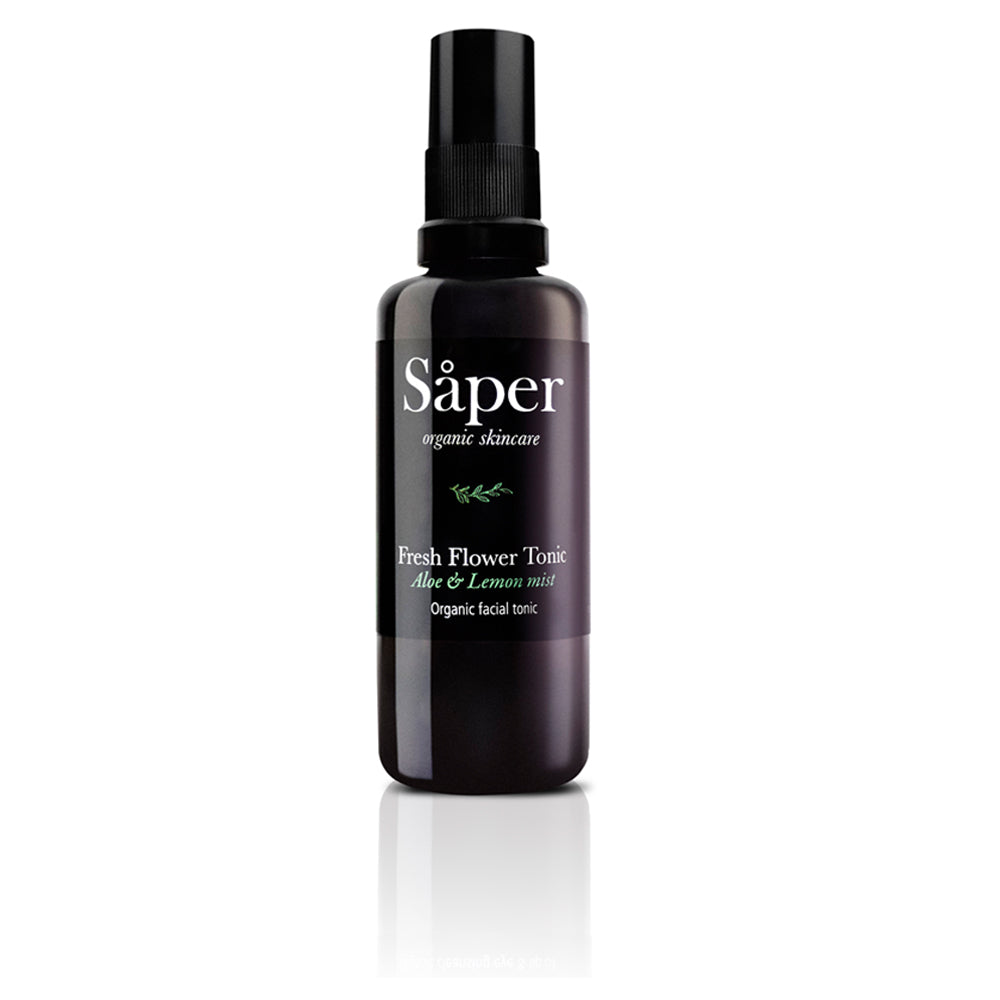
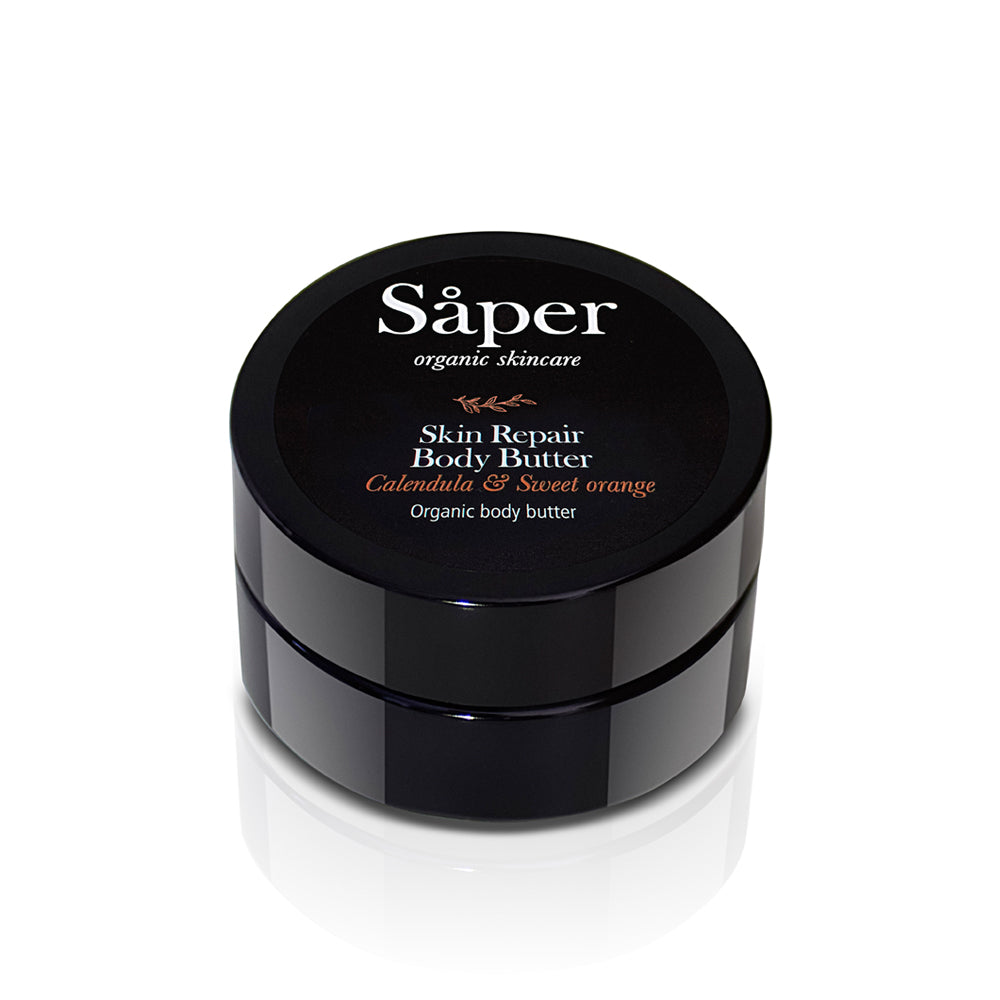
Additionally, remember that our violet glass containers are also another type of natural preservative; they have filtering properties that block the entry of visible light and allow the selective passage of violet and ultraviolet light. This helps protect cosmetic products from degradation caused by light, as it reduces exposure to sunlight and artificial light, which can break down active ingredients and affect product quality.
The protection against light provided by violet glass helps to prolong the shelf life of cosmetic products. By reducing the oxidation and decomposition of ingredients, products packaged in violet glass have greater stability and can maintain their properties and effectiveness for longer.
The biophotonic technology used in violet glass is based on the belief that violet and ultraviolet light have positive effects on the preservation of the vital energy of natural ingredients. Furthermore, violet glass is a recyclable and environmentally friendly material. By choosing containers made of this type of glass, sustainability is promoted and plastic waste generation is reduced.

Also, when you finish using your cosmetics, you can find many uses for the empty containers; you can use them to store coffee, salt, tea, dried flowers, etc.